
Participants in the Baltic International Security Centre exercise faced impossible choices: whether to grant asylum to untrained Russian mutineers or leave them to face inevitable retaliation. The wargame relied on constant updates from a games-master, including erratic social media posts attributed to the US president that mirrored the chaotic rhetoric of modern information warfare. What began as an academic exercise in geopolitical decision-making quickly blurred into reality. While the group debated theoretical responses to a simulated Kremlin demand for a transit corridor, the outside world delivered a jarring counterpoint. Real-world headlines emerged regarding a deal between Donald Trump and Vladimir Putin on diesel imports, alongside verified reports of Russian assassination attempts targeting European defense industry executives. For the Ukrainian military commander present, the transition from the safety of the Wargaming Lab back to the front lines underscored a grim truth. The simulated dilemmas of the exercise were rendered almost tame by the escalating volatility of the actual security landscape in Eastern Europe.
Wargaming the Baltic crisis: Fiction meets the reality of info-war
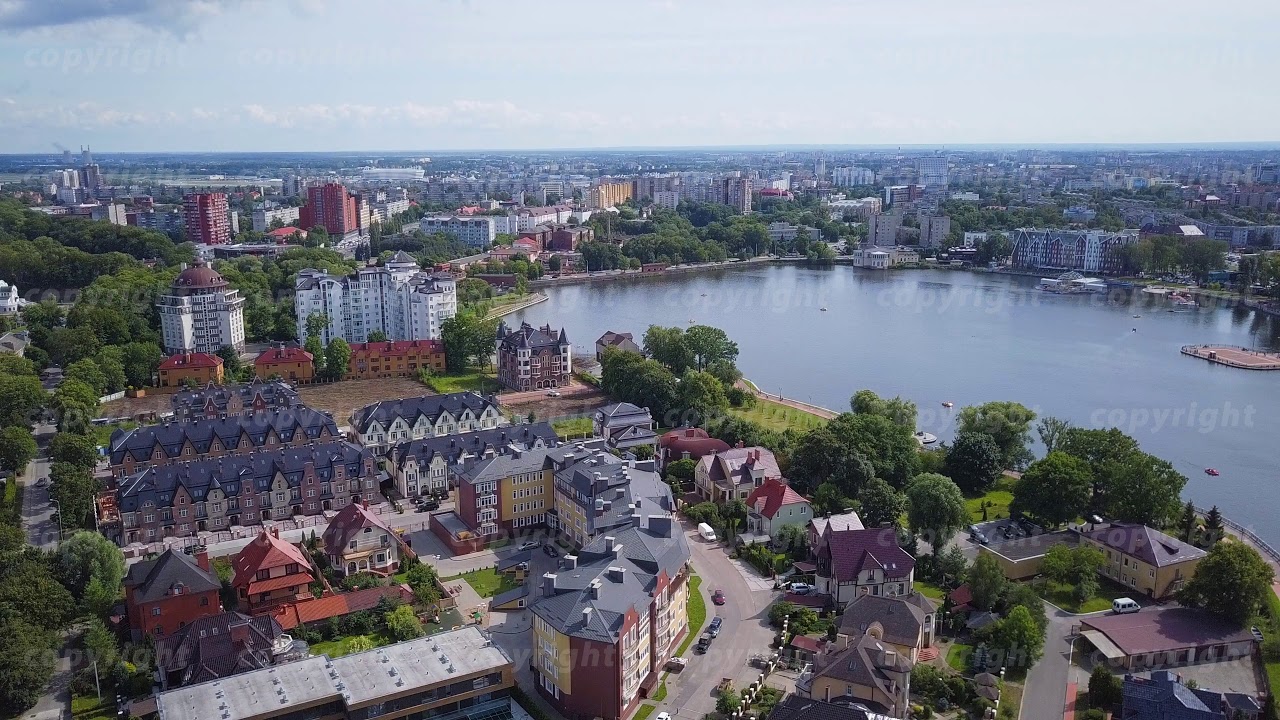
A toxic plume rising over a Kaliningrad battery plant triggered a mutiny among Russian conscripts, sending terrified civilians fleeing toward the Lithuanian border. This harrowing scenario was not a breaking news report, but a simulation conducted by officials and experts at Vilnius’s ISM university to stress-test regional crisis management.
Comments (0)
No comments yet. Be the first!