
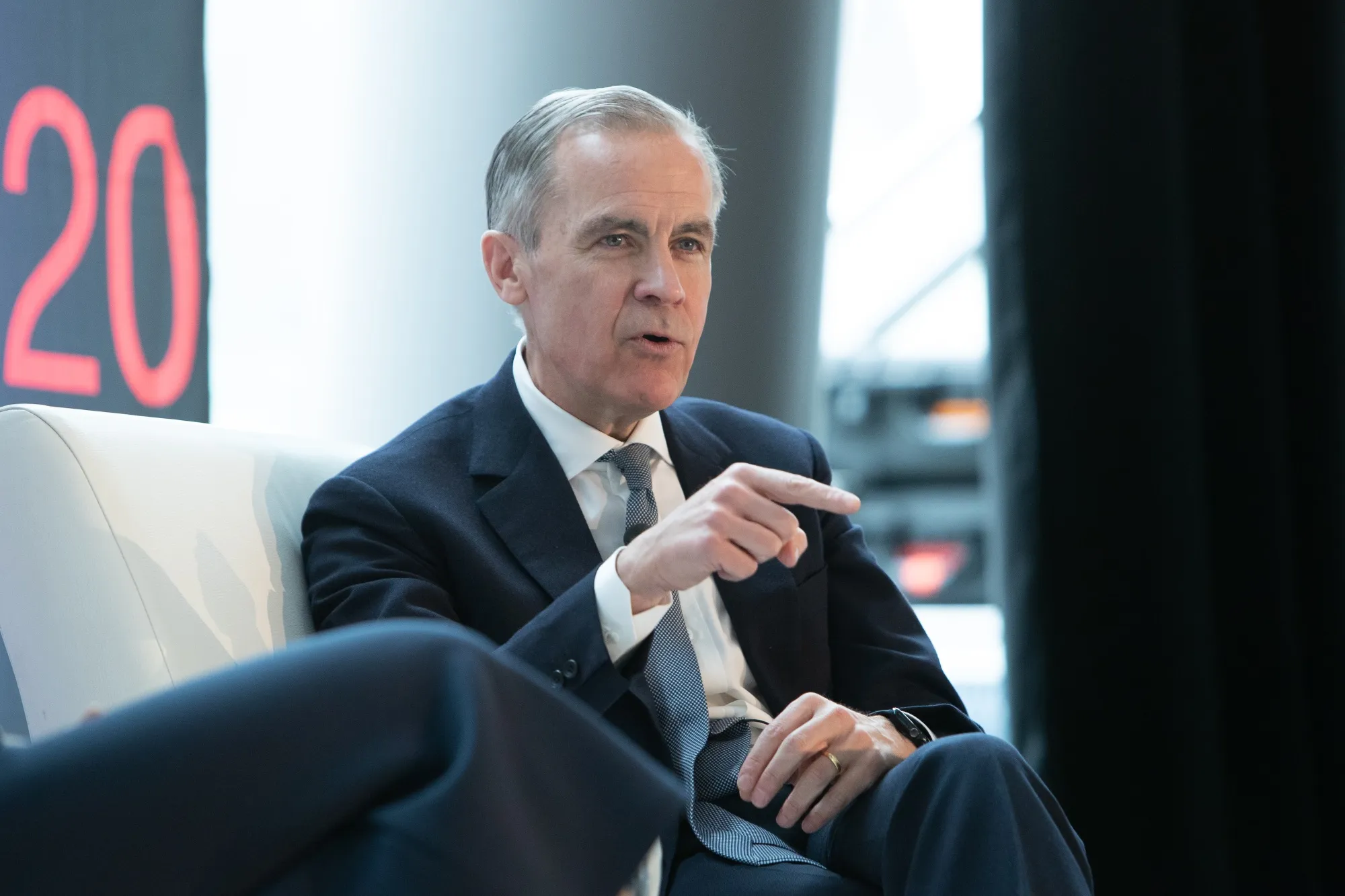
Carney steps into the role as Justin Trudeau prepares to exit after a decade in power. His primary challenge involves navigating a cooling relationship with the U.S. administration, which recently imposed 25% tariffs on Canadian and Mexican imports. While the White House has paused some duties, the threat of recurring economic friction looms for April.
Beyond trade, Carney challenged Donald Trump’s rhetoric regarding Canadian statehood. The new leader framed the current geopolitical climate as a fight for national integrity, telling supporters that while Canada did not seek this conflict, the country is prepared to respond. Carney brings a background in global finance to the post, having served as governor of the Bank of Canada and the Bank of England, alongside a recent tenure as a UN special envoy for climate action.
Though the Liberal Party has seen a polling rebound—climbing from 20% in January to 30% by early March—the path ahead remains complex. The Conservative Party, headed by Pierre Poilievre, currently leads in broader public sentiment. Additionally, Carney faces a procedural hurdle: he holds no seat in the House of Commons. Convention dictates he must secure a federal seat quickly to solidify his mandate before the next general election, which is constitutionally required by October 2025.
Comments (0)
No comments yet. Be the first!